Featured Articles

How Will Retail Survive in Our Post-COVID World?

By Gary Tasman Black Friday and the year-end shopping season are right around the corner, and 2020 promises to bring changes to the way we shop for our holiday gifts. Retail had already been undergoing a transformation before the COVID-19 crisis reached our shores, and the pandemic will bring both short and long-term implications to the way we shop. Successful businesses will be those who find a way to reimagine the retail experience, and property owners need to understand how these implications affect them. For decades, shopping malls were the primary destination for holiday shoppers, thanks to big-box stores and appearances by Santa Claus. But as consumer preferences and habits have changed, the mall experience has begun to erode. COVID-19 will likely accelerate this attrition, as Americans continue to avoid crowds and indoor gatherings. Deloitte’s 2020 holiday retail survey found that more than 50% of holiday shoppers feel anxious about shopping in stores this year. It would be a mistake, however, to consider brick-and-mortar retail a thing of the past. While the current state will certainly reinforce the popularity of e-commerce, brick-and-mortar retail still has a path to success. For years, successful retailers have adapted to consumer preferences by providing customers with an experience rather than just a mundane shopping trip. From in-store play centers, to celebrity appearances, to hands-on and virtual reality demonstrations, brick-and-mortar retail is evolving into “retailtainment,” sometimes called experiential retail. Ready to make a move ? Get started by contacting us. Personal shoppers, group cooking demonstrations, and custom fittings might seem tone-deaf in the midst of a pandemic, but savvy business owners are already looking ahead to our post-COVID future. Some experiences simply can’t be provided online, and retailers who are prepared to shift their business models to a more experiential paradigm are more likely to weather the storm. After a record year for retail property sales in 2019, retail real estate sales volume has lagged since March. In fact, sales volume in Q2 and Q3 2020 has been lower than we’ve seen in three years. But retail property owners shouldn’t lose hope. While empty retail spaces may be more plentiful now, Cushman & Wakefield’s Chief Economist, Kevin Thorpe, expects retail, and especially experiential concepts, to storm back after COVID-19. “People are pining to go out and shop, eat and be entertained,” explains Thorpe. “Pent-up demand will be unleashed.” It’s not just existing retailers who are buying in to the retailtainment trend. New businesses are already poised to take advantage of this pent-up demand. Consider the early success of Popstroke in Fort Myers, which opened recently to crowds and fanfare despite the pandemic. Popular pre-COVID concepts like painting studios, rage rooms and ax-throwing bars will see a likely resurgence in our post-pandemic future. Even the much-maligned shopping malls are getting in on the action. Forty years ago, malls promoted trendy features like skating rinks and waterparks to draw consumers away from downtown shopping districts. Today, malls like the Edison Mall in Fort Myers are turning to similar tactics, looking towards adaptive reuse to fill vacant space and provide entertainment. Edison Mall will soon be the home of the Southwest Florida Military Museum, a departure from the mall’s traditional retail model. New malls are also providing retailtainment venues. Miami’s planned American Dream mall is expected to host an indoor ski slope, a Ferris wheel, an amusement park, and more. It’s understandable for retail property owners to be frustrated in our current market, but with the proper data and positioning of these properties, retail spaces still hold value. The professionals at Cushman & Wakefield have the research, insights, creativity, and vision to help find the best use for your property and connect you with the buyers who are ready to bring their vision to life. There is no doubt that shoppers will eventually head back to stores for items other than essentials, although with COVID cases spiking across the nation, that shift may not occur in time for this year’s holiday shopping season. “The issue with this recession has not been one of demand, it’s been supply led,” said Cushman & Wakefield Global Futurist Andrew Phipps. “We haven’t had the chance to spend the money we’d like to, as opposed to not having the money to spend.” Even though the 2020 holiday shopping season will continue to see challenges for the brick and mortar retail industry, it’s not time to sound the death knell for retail. Instead, as we inch closer to our post-pandemic future, expect to see the retail market evolve in new and exciting ways. The retailers that will survive will be the ones who anticipate – and invest in — this evolution.

How Will Retail Survive in Our Post-COVID World? Read More »

Southwest Florida’s Diversifying Economy (and why it’s important for property owners)

By Gary Tasman Although it may seem as though time has stood still since early March when the COVID-19 pandemic began impacting our region, Southwest Florida has continued to grow. In fact, data from AtoZ Database indicates that nearly 15,000 people have made Southwest Florida their permanent or primary home in the last six months, representing close to 10,000 households. Many of these new residents come via our traditional migration paths. It’s probably no surprise to anyone that about 40% of our area’s newcomers hail from New England, New York, New Jersey, and the upper Midwest. Our sunny and mild winters have been a magnet for transplants from these regions for decades. More surprising, however, is the number of families moving to our region from other parts of the Sunshine State. A full 20% of Southwest Florida’s newest residents hail from areas like Tampa, Orlando, and the state’s bustling east coast. And while northerners move to Southwest Florida for sunshine, fellow Floridians are now flocking to our area for another reason: opportunity. Ready to make a move ? Get started by contacting us. “For decades, the blessing and curse of Southwest Florida has been its distinction as a vacation paradise,” explains Shawn Stoneburner of Cushman & Wakefield Commercial Property Southwest Florida. Tourism and hospitality have been our region’s major economic drivers since the mid-1900s. In good years, the steady flow of tourists to Southwest Florida have kept taxes low and the quality of life high. In other years, our dependence on tourism and hospitality have left us vulnerable as hurricanes, the BP oil spill, and other external factors have stemmed the flow of tourists to our coastal paradise and damaged our region’s economy. Diversifying our economy has been a top priority for our area’s leaders, and that vision for a more varied economy is finally becoming a reality. Today, Southwest Florida is becoming a hotspot for technology, manufacturing and entrepreneurship. Powerhouses Arthrex, NeoGenomics, Gartner, and Alta Resources have expanded their considerable footprints in our area by purchasing property, building facilities and hiring employees, making the region more desirable for other companies to do the same. Growth like this begets more growth, creating a sustainable cycle of economic activity and opportunity. “As businesses move to our area, they lure employees from other parts of the state and across the country,” says Stoneburner. “This influx of new residents creates demand for schools, medical facilities, grocery stores, and other service providers. The construction industry and commercial property owners benefit, and the cycle continues.” Our area will soon see another boost, thanks to the Edison Awards, an international program that honors innovation and brings together hundreds of world-class thought leaders from around the globe for a conference, showcase, and awards program. Fort Myers will be the home of the Edison Awards for at least the next three years, bringing unprecedented exposure to our region. Many of the world’s brightest business minds will converge upon Southwest Florida and will surely see the opportunities that our region presents. Our region’s growth, diversification, and bright future are of great importance to commercial property owners. As new residents flock to Southwest Florida, new businesses are following suit, and their planners are seeking land and existing buildings to stake a claim in Southwest Florida. In turn, the intrinsic value of your property increases. If you own commercial property in our region, now is a great time to sell. If you own a commercial property and want to understand the value it holds, Gary Tasman and Shawn Stoneburner of Cushman & Wakefield Commercial Property Southwest Florida are your go-to team. Their extensive knowledge of Southwest Florida, along with best-in-class data and evidence-based insights, will help position your property to sell for maximum value in minimum time. The landscape of Southwest Florida is changing. Are you ready for it? Cushman & Wakefield Commercial Property Southwest Florida wants to help you take advantage of this opportunity. Contact-us.

Southwest Florida’s Diversifying Economy (and why it’s important for property owners) Read More »

Industrial Insights: The Recession-Proof Asset Class?

The industrial property segment has been among the top performing asset classes in terms of net occupancy growth, rent growth and capital appreciation over the past several years. As COVID-19 spread across the country, real estate markets across the country have been affected in various ways. However, the industrial asset class seems to endure despite the challenges that the COVID-19 recession has brought forth. Much of this is due to the industrial market’s strong position heading into the pandemic. Use Cushman & Wakefield’s interactive map to find out how the U.S. and Canadian industrial real estate markets were performing at the onset of the current recession compared to previous recessions and read the full report to understand how key industrial markets are expected to weather the storm.

Industrial Insights: The Recession-Proof Asset Class? Read More »

The Verge of a Renaissance: Downtown and Midtown Fort Myers

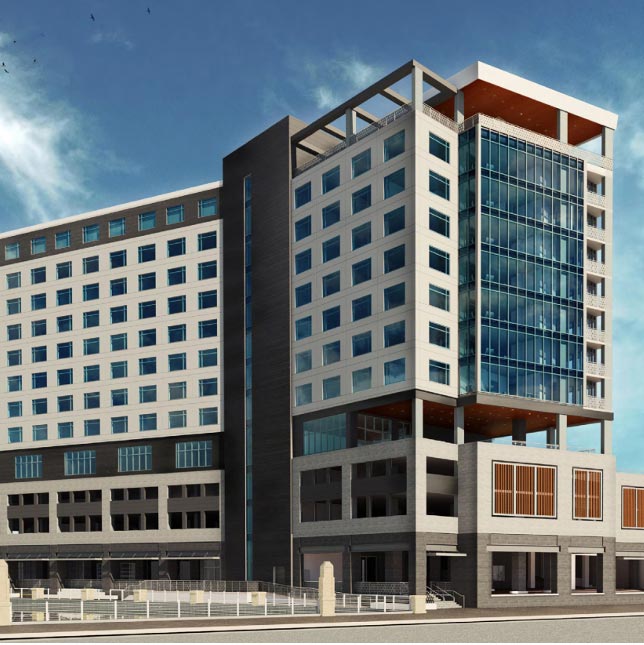
By Gary Tasman Fort Myers’ River District has been on the cusp of a renaissance for several years. The walkable streets, charming shops, outdoor dining, and plentiful events have drawn visitors back to the city’s once-struggling downtown. This month’s opening of the long-awaited Luminary Hotel & Co. may well represent the tipping point in Fort Myers’ downtown transformation from a local favorite to a national conference and vacation destination. For property investors, this change represents a great opportunity. For three decades, Fort Myers has watched convention business flee southward to the islands, Bonita Springs, and Naples, despite boasting a 30,000-square foot conference center. Limited hotel space in the downtown core, combined with the allure of beaches and outdoor recreation in other locations, made these other spots more ideal sites for business travelers and their families. Ready to make a move ? Get started by contacting us. The Luminary and other future developments in Fort Myers will resolve many of these issues, and drive demand for even more development in and around the River District. The 243-room Luminary is one of three downtown-area hotels in the works. A proposed 111-room Hampton Inn at the intersection of Cleveland Ave. and McGregor Blvd. and a 135-room Holiday Inn on the east side of the River District on Second St. are both currently in permitting and will offer lodging at a variety of price points for convention-goers and families. “The Caloosa Sound Convention Center and the Luminary Hotel are just the beginning,” explains Shawn Stoneburner of Cushman & Wakefield Commercial Property Southwest Florida. “Business owners want to keep convention attendees and their families downtown, and we can expect to see a lot of growth in entertainment and recreation to keep folks in Fort Myers for their full stay.” The organization behind the Luminary, MainSail Lodging & Development, will be part of that plan. In addition to onsite hotel amenities like a rooftop lounge, coffee roastery, and culinary theater, MainSail will develop an amphitheater in Centennial Park for year-round entertainment. The company is also converting the empty City Pier building into a restaurant and recreational outfitter where visitors can rent a bicycle, paddle board or kayak to navigate the city’s riverfront. With the potential for thousands of new weekly visitors downtown for conferences and meetings, the demand for even more vibrant entertainment offerings will be high, potentially reshaping the look and character of both downtown and midtown Fort Myers. The city’s Midtown Vision Plan will build upon the success of the River District and extend the city’s core beyond Dr. Martin Luther King Blvd. As it is currently planned, the city’s vision for Midtown would turn the area just south of the River District into a vibrant, mixed-use community over the next decade. The district would expand the city’s historic downtown while infusing economic development into the area just south of downtown. Anchored by City of Palms Park, Midtown has seen little development or investment since the Boston Red Sox vacated its spring training home nearly a decade ago. “Property values have been relatively static in Midtown, and very little property has changed hands in this area,” says Stoneburner. “But when there has been development in Midtown, it’s been big news. The transformation of the old train depot into the Southwest Florida Community Foundation is one great example.” Smart investors are scouting not only downtown Fort Myers but also Midtown for opportunities to take advantage of the city’s upcoming renaissance. City leaders are committed to revitalizing the Midtown neighborhood, increasing density levels to allow for more multi-unit housing and commercial buildings, and improving the utility infrastructure to support more development. If you currently hold property in or around downtown or midtown Fort Myers, you don’t want to miss out on the budding opportunities in this area. The experts at Cushman & Wakefield Commercial Property Southwest Florida are equipped with local expertise and access to best-in-class data and analytics to create powerful insights. Cushman & Wakefield’s professionals can provide you with a free property valuation to help you determine the ideal price for your property and discover the optimal time to sell. The landscape of downtown and midtown Fort Myers is changing. Are you ready for it? Cushman & Wakefield Commercial Property Southwest Florida wants to help you take advantage of this opportunity. Contact-us.

The Verge of a Renaissance: Downtown and Midtown Fort Myers Read More »

The Future of “Destination Workplaces”

By Gary Tasman Fitness centers. Meditation rooms. Pool tables. Only a decade ago, office amenities like these were nearly unheard of, only offered at the most progressive tech companies. Today, unique services and experiential offerings like these have become the norm at many workplaces. Employers who want to remain relevant and attract top talent are taking notice and adapting their workplace designs to incorporate more employee amenities. COVID-19 taught us that “going to work” doesn’t necessarily mean traveling to a traditional office building. As a result, employers are searching for ways to motivate staff to gather together and connect with each other and their organization. Amenities like team brainstorming hubs, walking paths and relaxation areas provide both an atmosphere for collaboration as well as an inviting environment. Ready to make a move?  Get started by contacting us. “For several years now, we’ve been seeing retailers expand into this experiential space, and this includes experience-based businesses that have developed in our area,” explains Shawn Stoneburner of Cushman & Wakefield Commercial Property Southwest Florida. “Now, employers are taking that cue and are trying to provide unique experiences at the office. As companies reassess their space needs for the post-COVID future, employee amenities need to be part of the total equation.” Many companies have the luxury of planning these perks from the ground up. NeoGenomics’ new headquarters in Lee County, for example, will consist of a three-story office building, a two-story laboratory building, and other support structures totaling 150,000 square feet. Also included in the design are a courtyard, an outdoor dining area, a fitness path, cafes on every floor, and teaming spaces to encourage collaboration. However, creating a great workplace experience can be challenging. With five generations now in the American workforce, employees have widely varying tastes and expectations. Employee insights are essential to determine appropriate amenities. Workers need to share their needs, wants, preferences, and current challenges, so employers can create meaningful experiences. After surveying employees, employers nationwide have started offering out-of-the-box amenities like personal errand-running and on-site childcare facilities. Amenities should also mesh with an organization’s corporate culture. For example, many companies have made employee wellness a strategic priority. Those organizations can provide fitness centers or walking paths to aid in physical well-being, and relaxation areas or meditation rooms to promote emotional well-being. “A great example in our area is Scottlynn USA, who is focusing on health and wellness as it builds a new headquarters,” says Stoneburner. “Their plans include a walking path, fitness centers, and even a basketball court on premises. And they’re still adapting. When the coronavirus pandemic started, they improved their plans to add a new air filtration system.” Creating a creative and inviting living space was vital in the design process for Seagate Development Group, the developer for both Scotlynn and Neogenomics, whose new headquarters opened earlier this year. “Seagate paid attention to aesthetics to help promote creativity in its team,” says Stoneburner. “In addition to amenities like coffee bars, lounge areas, and collaborative workspaces, they also made the facility warm and inviting with an outdoor balcony and floor-to-ceiling windows.” The professionals at Cushman & Wakefield Commercial Property Southwest Florida want to be your go-to team as you reconsider the workplace needs of your company and your employees. If you own a commercial property, this is the perfect time to sell, as there are qualified buyers ready to make a move into a facility that better suits their needs. Cushman & Wakefield Commercial Property Southwest Florida’s professionals combine their local commercial real estate knowledge and experience with a data-driven, evidence-based approach to create powerful insights and empower your decision making. When it’s time to sell, Cushman & Wakefield’s process is designed to get clients the best possible sales price in the shortest amount of time. The team at Cushman & Wakefield is equipped with the passion, knowledge, creativity, data and inventory to help businesses become better as we all adapt to our new reality. Cushman & Wakefield Commercial Property Southwest Florida wants to help you develop a plan that best fits your needs. Contact-us.

The Future of “Destination Workplaces” Read More »

Gary Tasman Participates as a Panelist for ULI | SW Florida

Cushman & Wakefield | Commercial Property Southwest Florida is being represented by CEO/Principal Broker, Gary Tasman for Part II of Navigating the Impact of COVID-19 webinar series. Tasman joins other top leaders in development, real estate and the land use industry to discuss how the local real estate has responded to the epidemic and the impact to our community. “It is important to provide timely, accurate data to the market in the wake of the post COVID-19 pandemic. This is a way to deliver high level, point specific data, with the top market leaders”, said Gary Tasman, CEO & Principal Broker at Cushman & Wakefield | Commercial Property Southwest Florida. “Commercial real estate is rapidly changing in Southwest Florida, the epidemic has created opportunities in some areas and significant challenges in others.” The Urban Land Institute’s mission is to provide leadership in the responsible use of land and in creating a sustainable, thriving future for communities. They carry forth that mission by serving the Southwest Florida region with pragmatic land use expertise and education. The webinar is scheduled for Thursday, August 27th at 3:00pm – it can be seen by registering here: https://swflorida.uli.org/uli-southwest-florida-webinars-events/detail/6E4A2B52-B9B0-4A65-9FD9-D27A49201B25/ Cushman & Wakefield | Commercial Property Southwest Florida provides commercial real estate solutions in every stage of the real estate process, representing clients in buying, selling, leasing, property management, financing and valuing assets.

Gary Tasman Participates as a Panelist for ULI | SW Florida Read More »

Cape Coral Growth- What’s Going There?

By Gary Tasman For years, commercial property growth in Cape Coral lagged behind the city’s white-hot residential market. That trend, however, is changing. Commercial development is now booming in Cape Coral, thanks to simple economics. A large supply of residents and consumers creates a large demand for retail and commercial businesses. Cape Coral’s population has grown by more than 25% to 200,000 residents in just the last 10 years. Between now and 2025, we can expect to see it increase by another 10%. Take a quick drive down any of Cape Coral’s main transportation corridors, and you’ll see dozens of sites under construction, new businesses, and development opportunities. This trend will continue for many years to come. Ready to make a move ? Get started by contacting us. For more than a decade, Pine Island Road has been the focus of commercial growth in Cape Coral. This trend started in the early 2000s with the introduction of big box stores like Kohl’s, Target, and BJ’s Wholesale, as well as car dealerships and shopping centers. “Because the city was pre-platted primarily into residential lots, it was challenging for these early developers to gather enough property to build a large commercial complex,” explains Shawn Stoneburner of Cushman & Wakefield Commercial Property SWFL. “But the city’s been very supportive of growth, especially along Pine Island Road. We’re now seeing a second wave of commercial development.” These new projects not only take advantage of vacant space, but also revitalize some stagnant properties. A new Fairfield Inn is under construction near the intersection of Pine Island and Pondella Roads, providing the City’s only hotel north of the Midpoint Bridge. The northeast end of Pine Island Road has also recently seen the opening of a new Nissan dealership, as well as a groundbreaking for Pine Island Village, a large retail and commercial project. “Pine Island Road is just one area where developers have an opportunity to make their mark,” says Stoneburner. “But there are also opportunities along Cape Coral’s other two main arteries, Del Prado Boulevard and Cape Coral Parkway. We see health care, entertainment, hospitality, and auto dealerships as strong markets for continued growth.” Cape Coral’s downtown has recently seen a flurry of activity, including new banks, retailers and restaurants, with more on the way. A Chase bank is in the works, as well as the long-awaited Village Square, a 250,000 square foot mixed-use facility that will combine both residential and commercial space when completed. “South Cape is filling in, but there the market isn’t saturated yet,” explains Stoneburner. “Our brokerage recently placed a large property under contract on Cape Coral Parkway near Del Prado, and we’re excited about the development potential.” Investors looking towards the future of the Cape Coral market may want to consider two other areas with strong development potential. Burnt Store Road presents great opportunities for growth, thanks in part to a rapidly growing population in Northwest Cape Coral. The current Burnt Store Road widening project will also benefit developers as access to Northwest Cape and Punta Gorda improves. A second area with great potential lies along US-41 from Del Prado to Burnt Store Road in Charlotte County. While not technically in Cape Coral, this corridor has easy access to the Cape and land available as commercial and industrial sites. A projected I-75 interchange will spark future growth, and smart investors will be ready to take advantage of the opportunity. To learn more about existing space available and development opportunities in Cape Coral, contact Cushman & Wakefield Commercial Property SWFL, your go-to team for commercial brokerage needs. Our team knows the community and has access to the data that you need to make your next move in one of the fastest-growing markets in Florida.

Cape Coral Growth- What’s Going There? Read More »

Cape Coral Growth- What’s Going There?

By Gary Tasman For years, commercial property growth in Cape Coral lagged behind the city’s white-hot residential market. That trend, however, is changing. Commercial development is now booming in Cape Coral, thanks to simple economics. A large supply of residents and consumers creates a large demand for retail and commercial businesses. Cape Coral’s population has grown by more than 25% to 200,000 residents in just the last 10 years. Between now and 2025, we can expect to see it increase by another 10%. Take a quick drive down any of Cape Coral’s main transportation corridors, and you’ll see dozens of sites under construction, new businesses, and development opportunities. This trend will continue for many years to come. Ready to make a move? Get started by contacting us. For more than a decade, Pine Island Road has been the focus of commercial growth in Cape Coral. This trend started in the early 2000s with the introduction of big box stores like Kohl’s, Target, and BJ’s Wholesale, as well as car dealerships and shopping centers. “Because the city was pre-platted primarily into residential lots, it was challenging for these early developers to gather enough property to build a large commercial complex,” explains Shawn Stoneburner of Cushman & Wakefield Commercial Property SWFL. “But the city’s been very supportive of growth, especially along Pine Island Road. We’re now seeing a second wave of commercial development.” These new projects not only take advantage of vacant space, but also revitalize some stagnant properties. A new Fairfield Inn is under construction near the intersection of Pine Island and Pondella Roads, providing the City’s only hotel north of the Midpoint Bridge. The northeast end of Pine Island Road has also recently seen the opening of a new Nissan dealership, as well as a groundbreaking for Pine Island Village, a large retail and commercial project. “Pine Island Road is just one area where developers have an opportunity to make their mark,” says Stoneburner. “But there are also opportunities along Cape Coral’s other two main arteries, Del Prado Boulevard and Cape Coral Parkway. We see health care, entertainment, hospitality, and auto dealerships as strong markets for continued growth.” Cape Coral’s downtown has recently seen a flurry of activity, including new banks, retailers and restaurants, with more on the way. A Chase bank is in the works, as well as the long-awaited Village Square, a 250,000 square foot mixed-use facility that will combine both residential and commercial space when completed. “South Cape is filling in, but there the market isn’t saturated yet,” explains Stoneburner. “Our brokerage recently placed a large property under contract on Cape Coral Parkway near Del Prado, and we’re excited about the development potential.” Investors looking towards the future of the Cape Coral market may want to consider two other areas with strong development potential. Burnt Store Road presents great opportunities for growth, thanks in part to a rapidly growing population in Northwest Cape Coral. The current Burnt Store Road widening project will also benefit developers as access to Northwest Cape and Punta Gorda improves. A second area with great potential lies along US-41 from Del Prado to Burnt Store Road in Charlotte County. While not technically in Cape Coral, this corridor has easy access to the Cape and land available as commercial and industrial sites. A projected I-75 interchange will spark future growth, and smart investors will be ready to take advantage of the opportunity. To learn more about existing space available and development opportunities in Cape Coral, contact Cushman & Wakefield Commercial Property SWFL, your go-to team for commercial brokerage needs. Our team knows the community and has access to the data that you need to make your next move in one of the fastest-growing markets in Florida.

Cape Coral Growth- What’s Going There? Read More »

Changes Coming for Office Spaces after Coronavirus Pandemic Subsides

Gary Tasman, the CEO of Cushman & Wakefield in Fort Myers, was quoted in the News-Press regarding the future of office space and how it is affected by the current pandemic. “That culture of inter-personal action and relationship-building is really going to be the underlying strategy for almost all office uses,” he said. Additionally, Tasman discusses and gives his predictions based on the results of the Cushman and Wakefield  “XSF@home Survey” which was meant to gauge COVID-19’s impact on the workplace. Read article at Newspress.com

Changes Coming for Office Spaces after Coronavirus Pandemic Subsides Read More »

Scroll to Top